EYFS
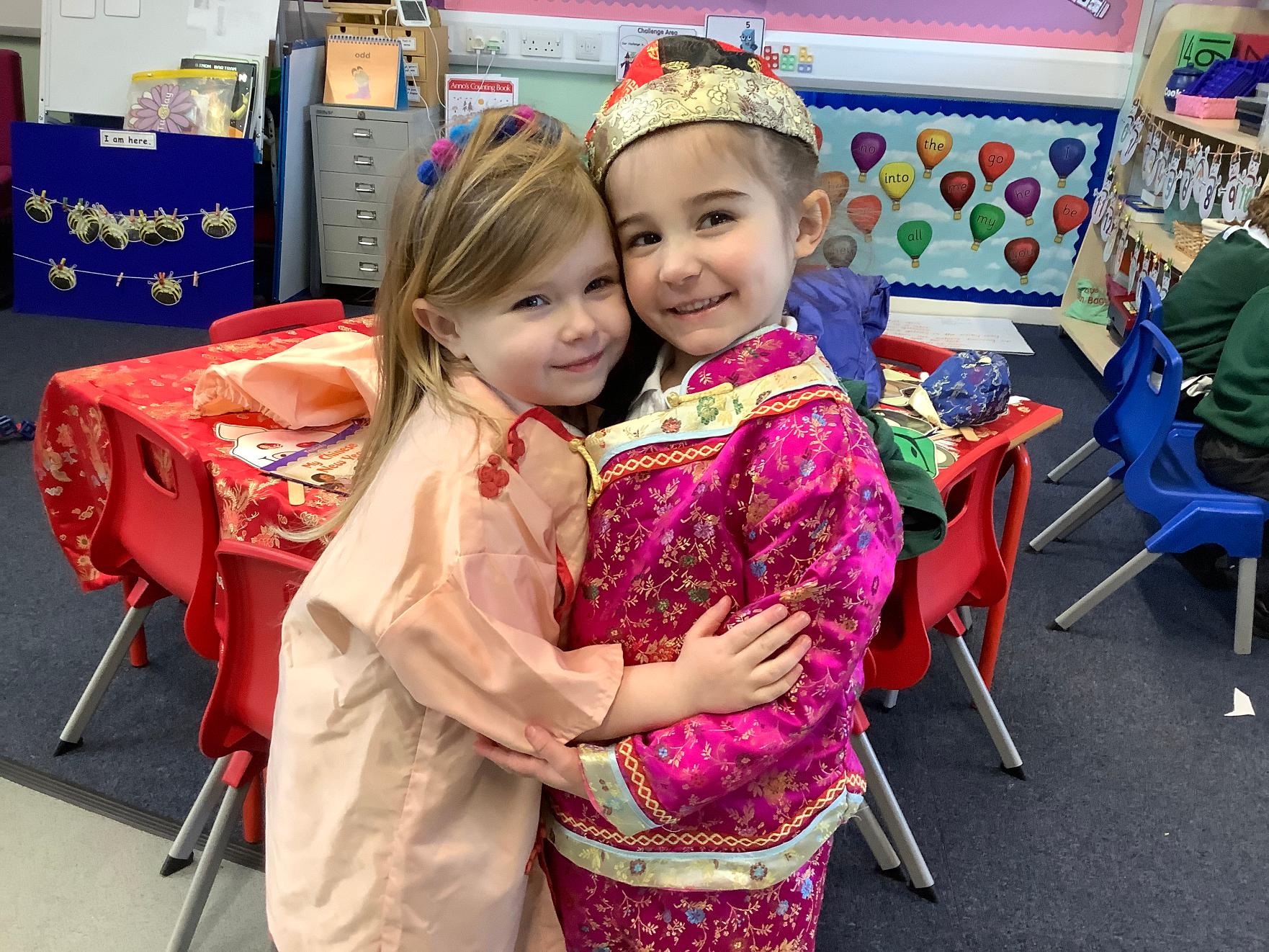
In our EYFS, we create a warm, inclusive environment where every child feels they belong, their voice is valued, and they are safe, nurtured, and celebrated as individuals.
We work in close partnership with families to empower children to become confident, resilient, and curious learners who embrace challenge, show kindness, and develop independence from the very start of their learning journey.
Through high-quality teaching, purposeful play, and rich learning experiences, we enable every child to grow academically, socially, and emotionally, building strong foundations to thrive now and in the future.
EYFS Medium Term Plan
EYFS
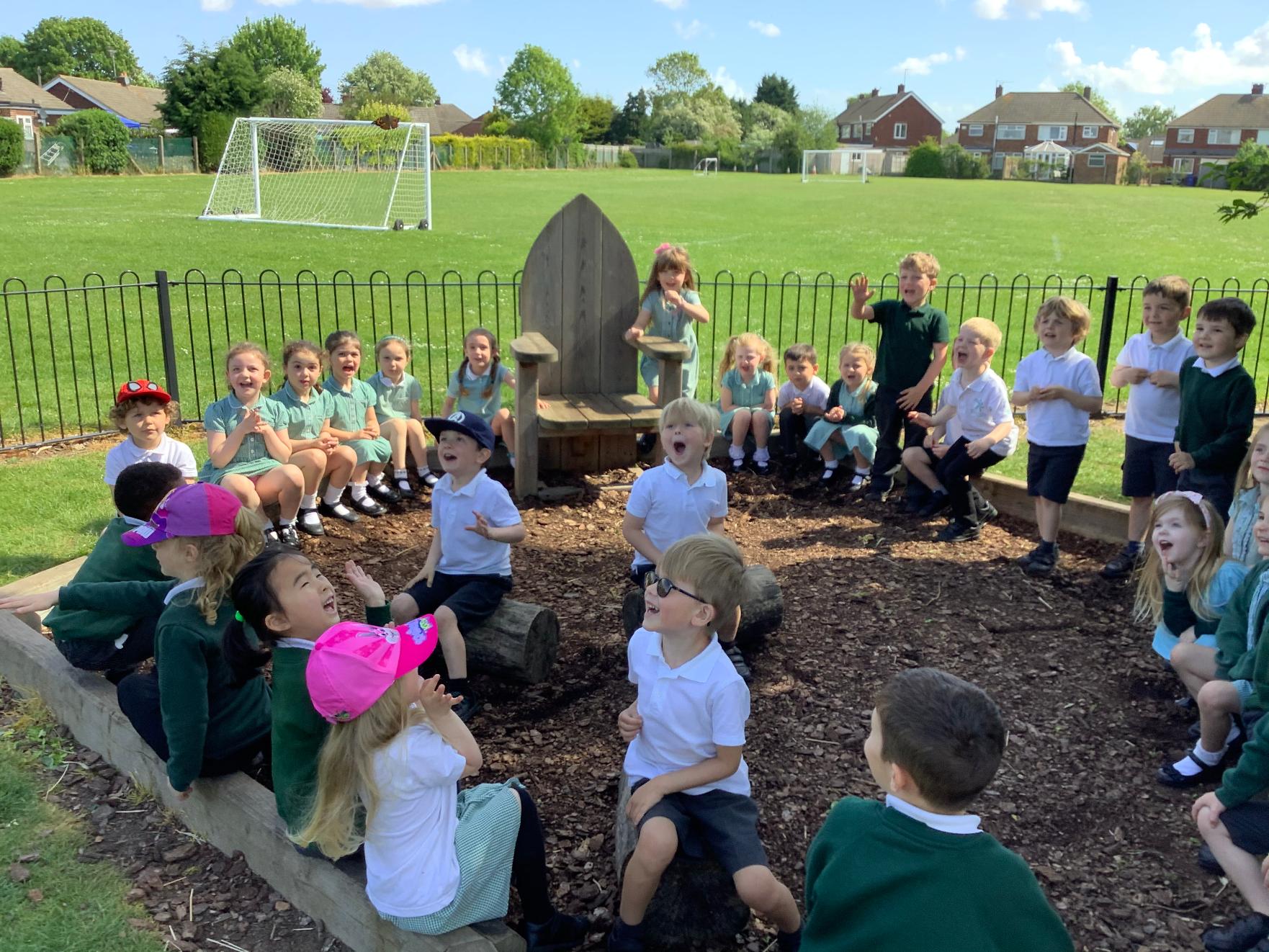
Our curriculum is designed to recognise children’s prior learning, both from previous settings and their experiences at home. We build strong relationships with parents, carers and feeder settings to provide the best possible start at Waltham Leas Primary Academy, ensuring every child reaches their full potential. We offer an exciting and engaging curriculum rich in wonder and memorable experiences. We understand that play is an integral part of learning and this is at the heart of our early years curriculum. We believe that the correct balance of adult directed and child-initiated play ensures the best outcomes for pupils. We provide a stimulating indoor and outdoor environment that provides exciting opportunities, promotes challenge and sparks curiosity. We create a supportive and nurturing environement which provides our children with a sense of safety, security and belonging.
We recognise the crucial role that early year’s education has to play in providing firm foundations upon which the rest of a child’s education is successfully based. We foster a lifelong love of learning and ensure our children make at least good progress from their starting points. Children leave EYFS with the knowledge and skills they require to transition smoothly into Year One.

|
EYFS Policy 2026.docx (1) | [pdf 222KB] |

|
In the Early Years Foundation Stage we look at three Prime areas and four Specific areas of learning and development.
Prime Areas
Personal, Social and Emotional Development
- Self-Regulation
- Managing Self
- Building Relationships
Physical Development
- Gross Motor Skills
- Fine Motor Skills
Communication and Language
- Listening, Attention and Understanding
- Speaking
Specific Areas
Literacy
- Comprehension
- Word Reading
- Writing
Mathematics
- Number
- Numerical Pattern
Understanding the World
- Past and Present
- People, Culture and Communities
- The Natural World
Expressive Arts and Design
- Creating with Materials
- Being Imaginative and Expressive